
RUGS FOR REAL LIFE: Designing with Intention in the New Year
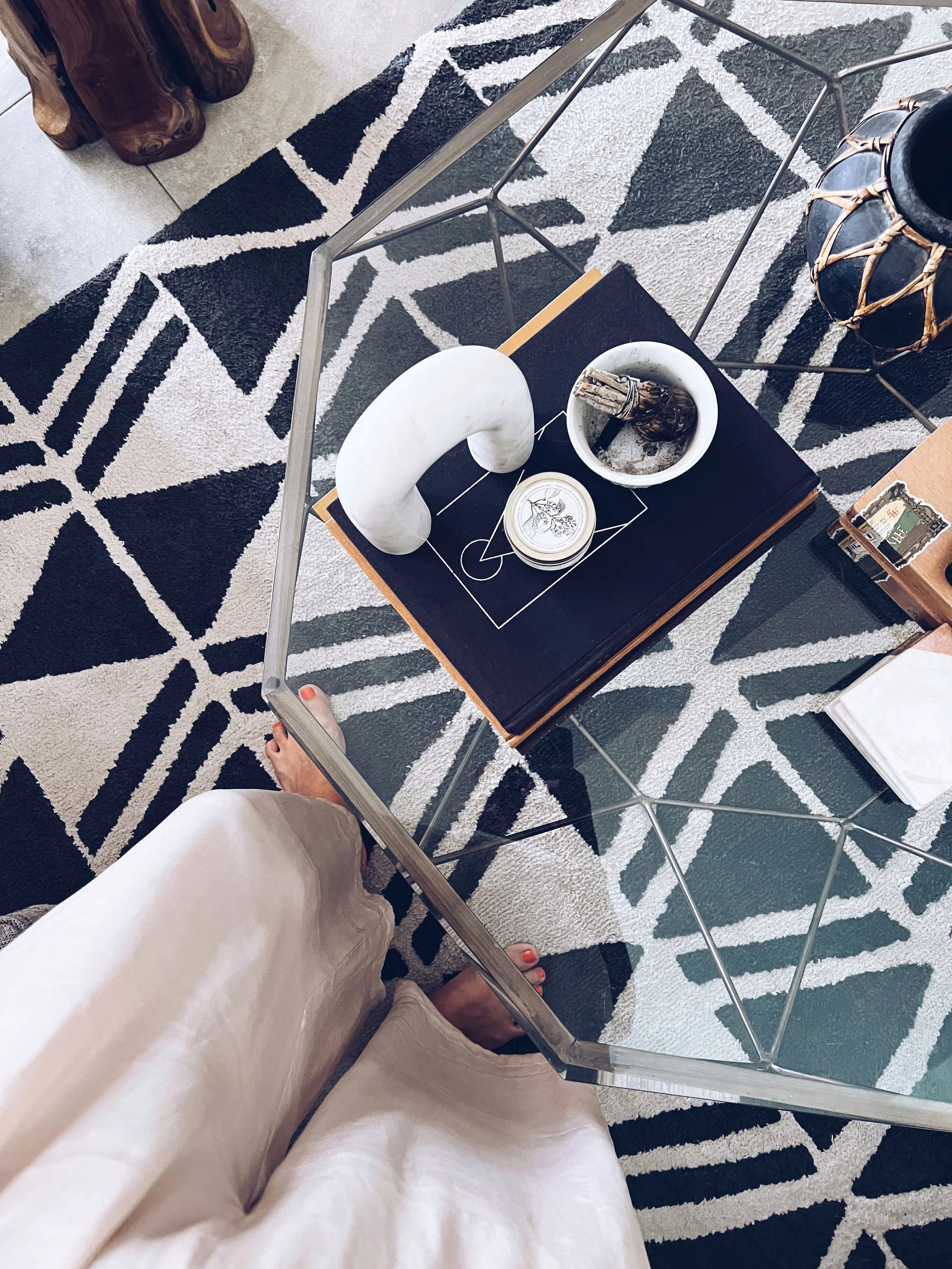
As the holiday décor is packed away and the house exhales into its quieter season, I’ve been taking time to really look at our space. This pause—so closely tied to the start of a new year—always invites reflection. What still feels right? What feels tired? And what, with a thoughtful update, could better support how we live now?
My attention has landed on rugs, particularly in our dining and kitchen areas. In a semi-open floor plan, rugs are essential. They create rhythm and definition, anchoring each zone while allowing the space to flow naturally. A well-chosen rug can subtly shift the mood of a room, adding depth and intention without the need for a full redesign.
That said, this search is firmly rooted in reality. Our home is shared with a dog, a toddler grandchild, and another little one on the way. This is not the season for delicate or precious pieces. Instead, I’m drawn to rugs that balance beauty with resilience—styles that can handle everyday wear while still offering texture, pattern, and visual interest.
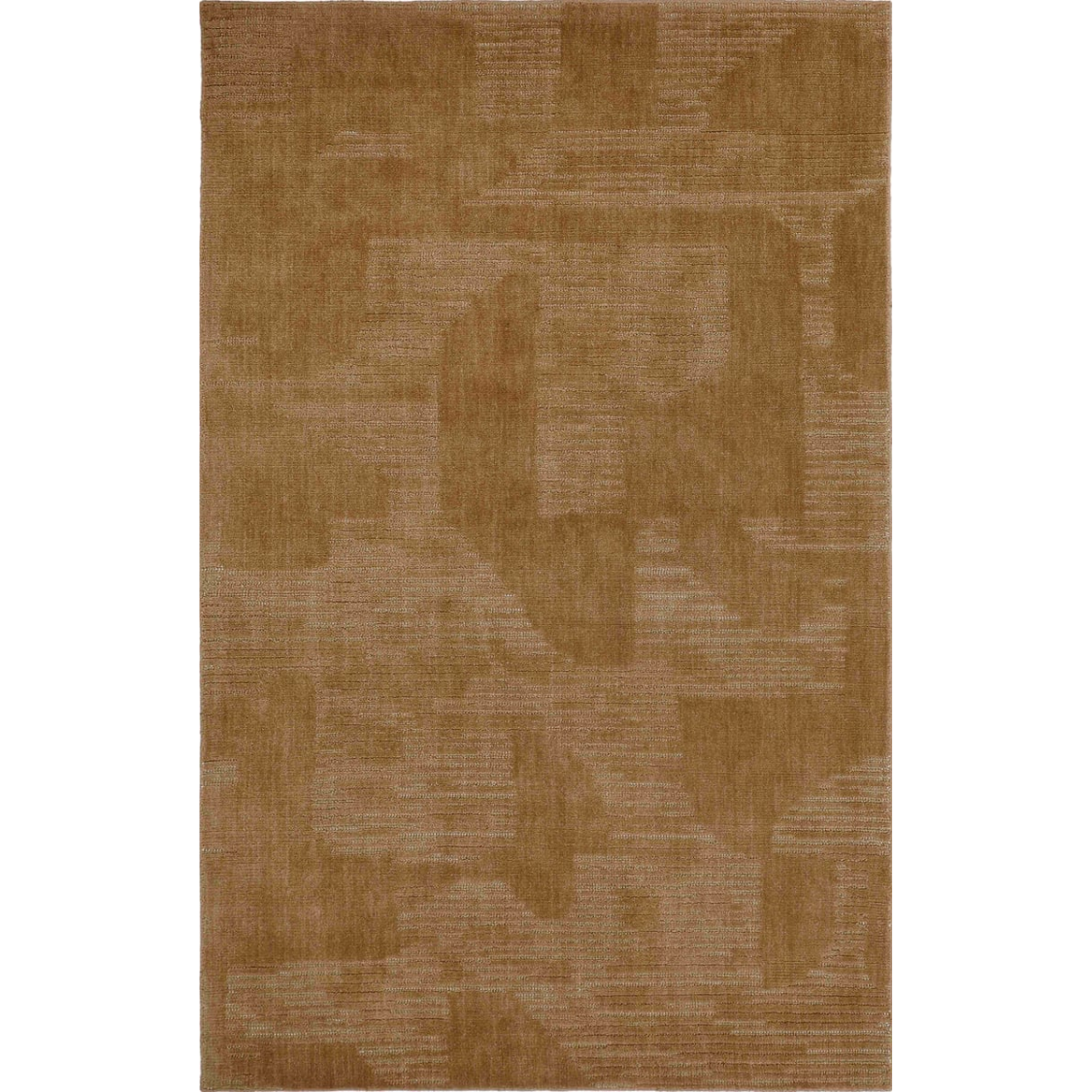
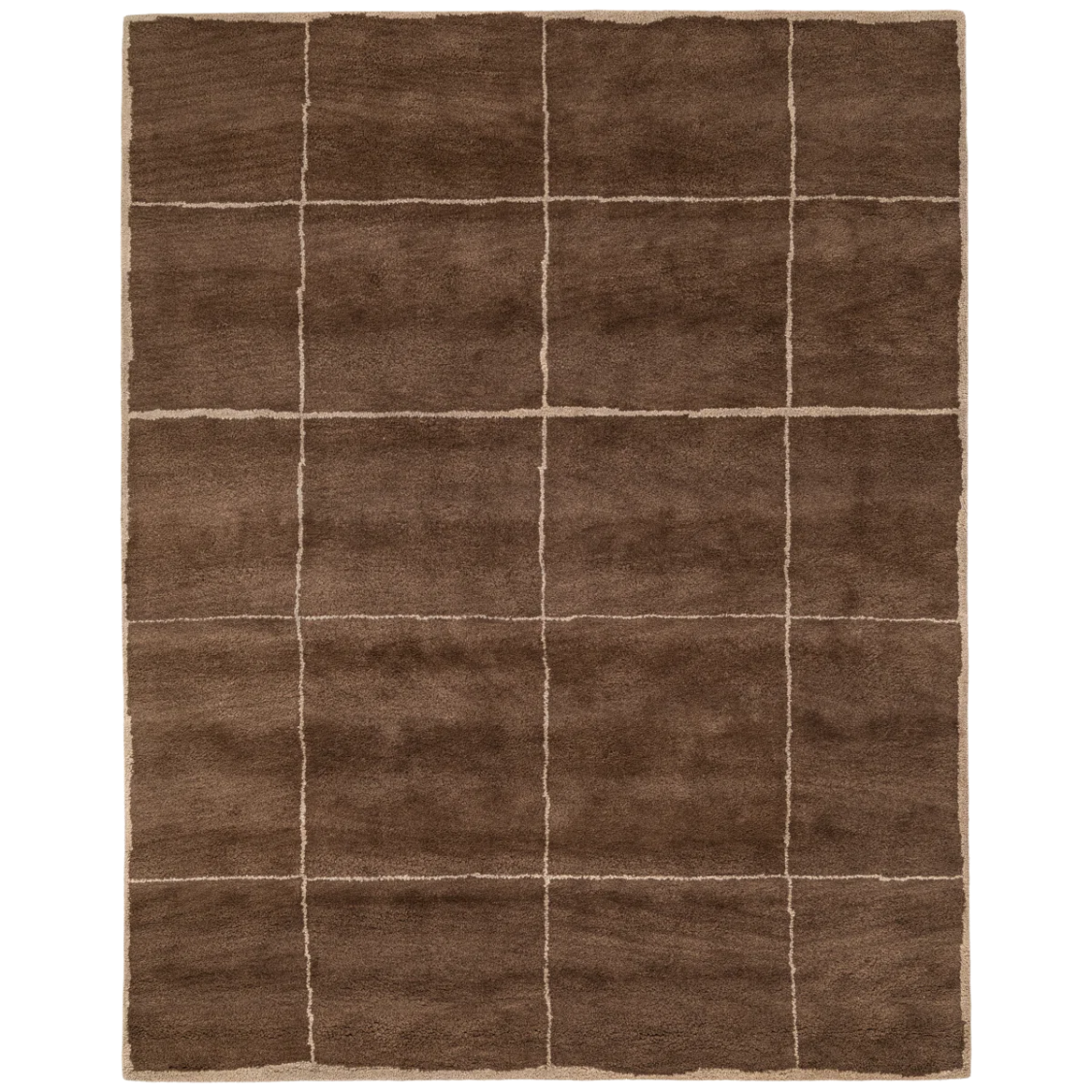
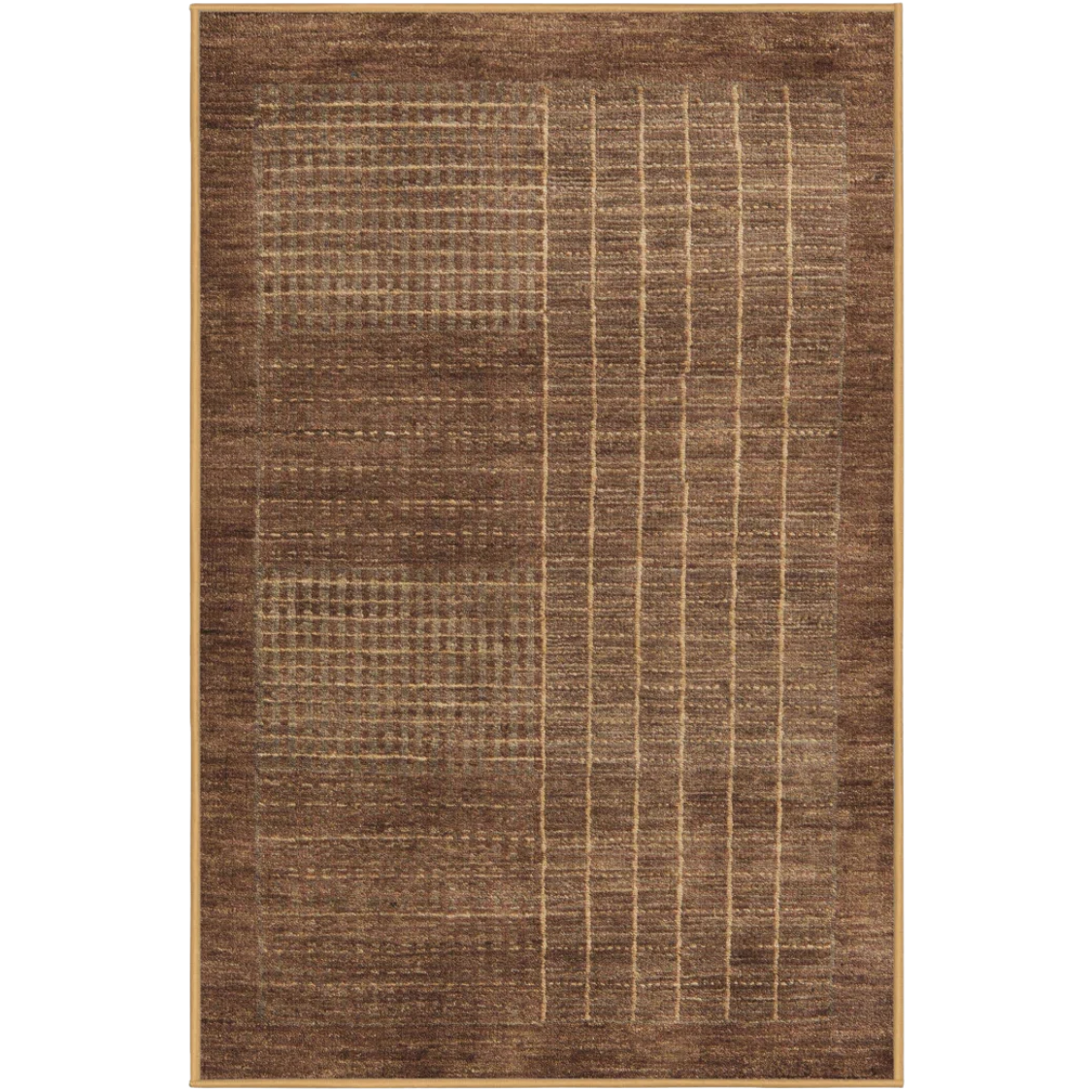
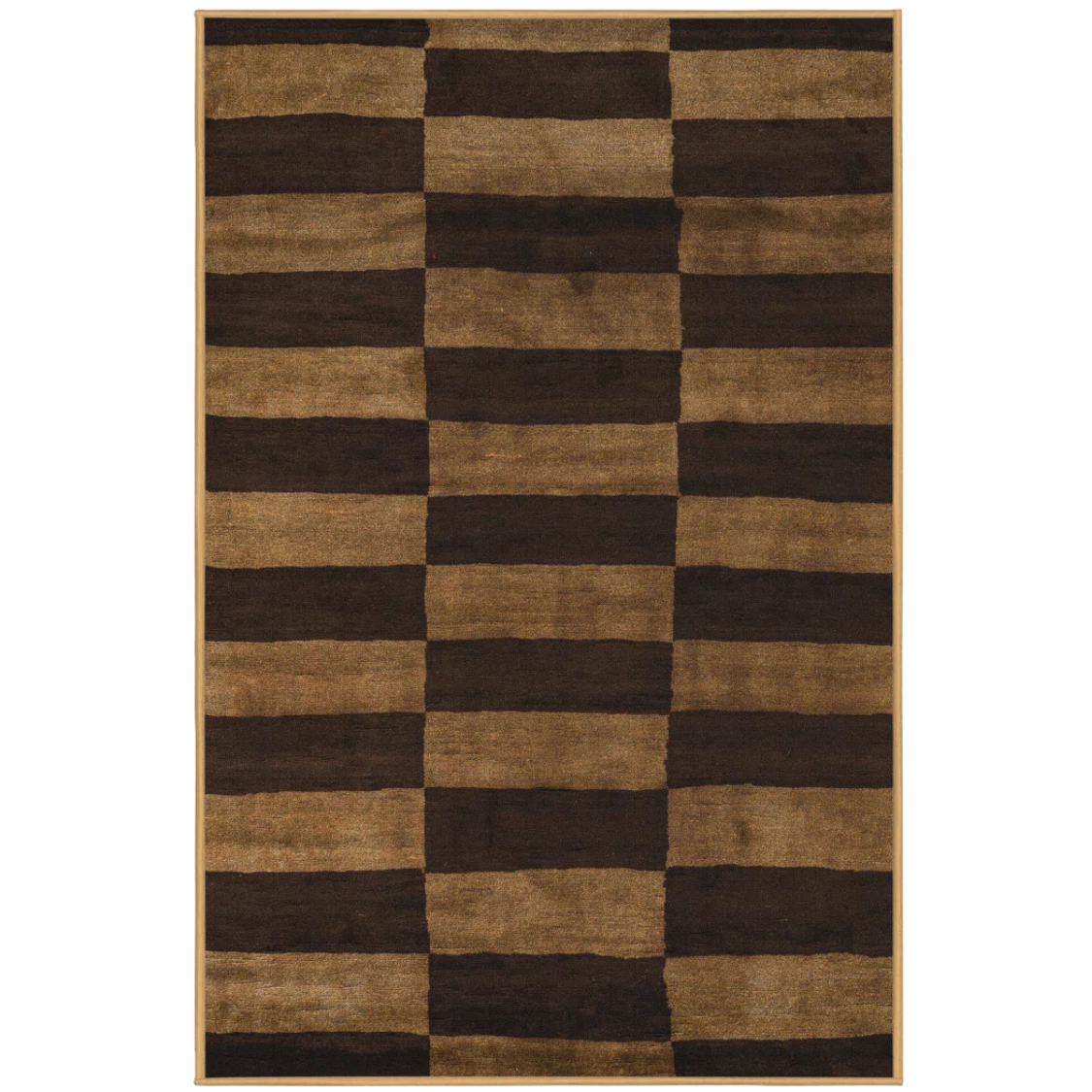
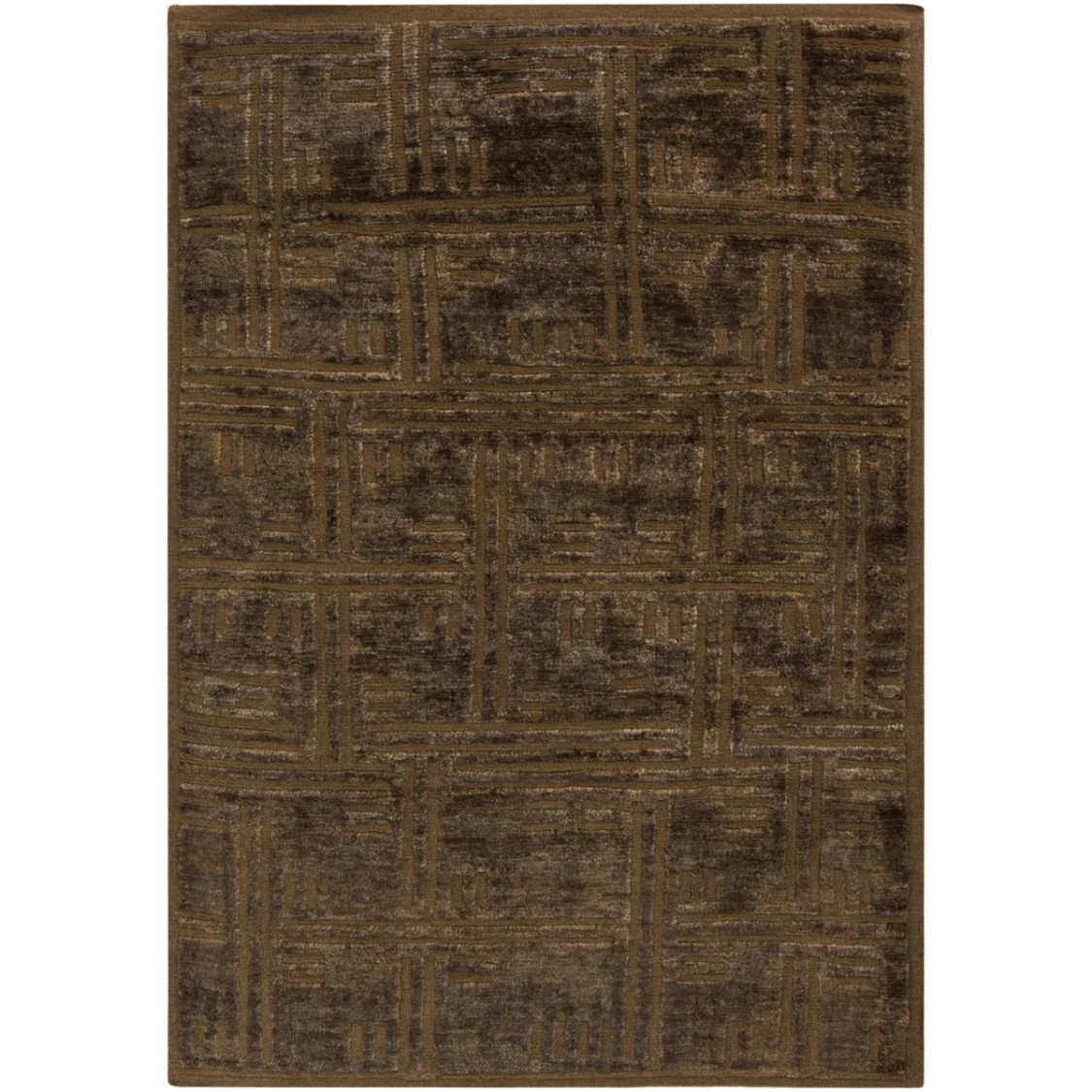
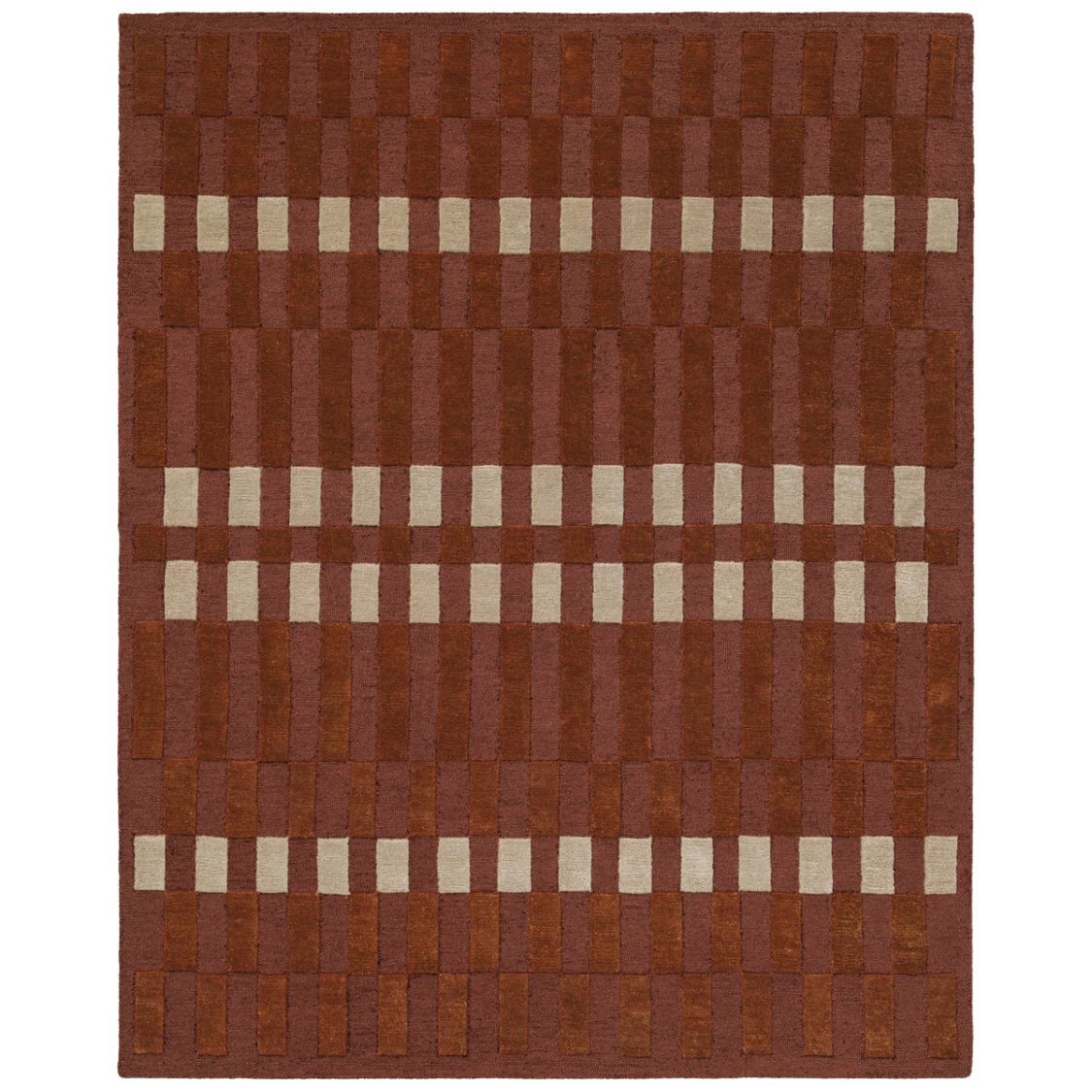
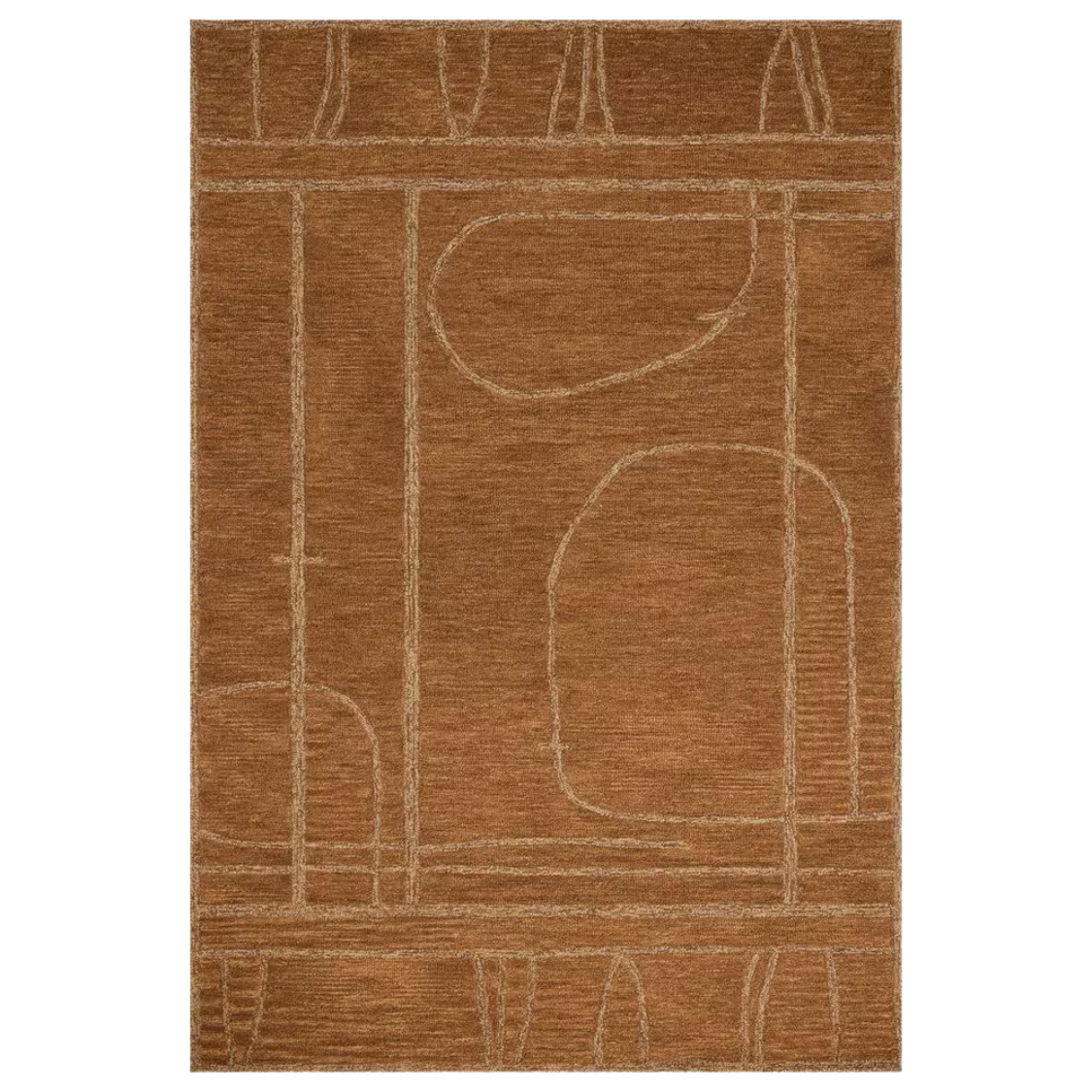
I’m focusing on low-pile and flatweave rugs, as well as washable options and designs that feel timeless rather than trend-driven. Rich earth tones, soft geometrics, and worn-in textures tend to wear well both visually and practically, making them ideal for high-traffic spaces like kitchens and dining rooms. These are the rugs that quietly do their job—grounding a room without demanding attention.
Equally important is how these new pieces will live alongside what we already have. I’m thinking about continuity—repeating tones, echoing textures, and allowing each rug to complement the others rather than compete. The mood boards I’ve been creating recently have been guiding this process, helping me stay aligned with the broader vision for our home as it continues to evolve.
If you’re entering the new year with a similar urge to refresh your space, consider rugs as a starting point. Choose pieces that honor your lifestyle, feel intentional, and support the long view. The most impactful design choices are often the quiet ones—made with clarity, restraint, and an understanding of how we truly live.
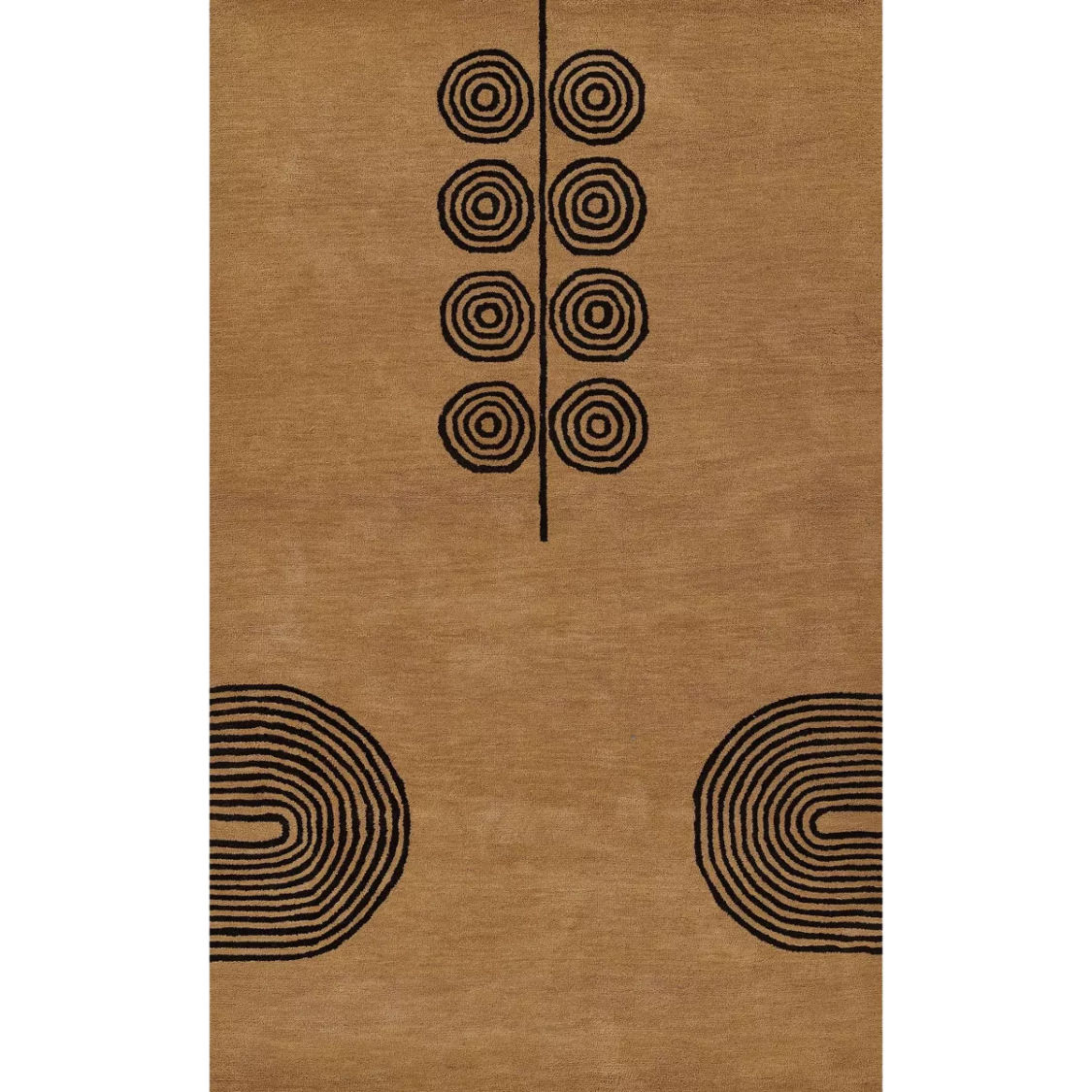

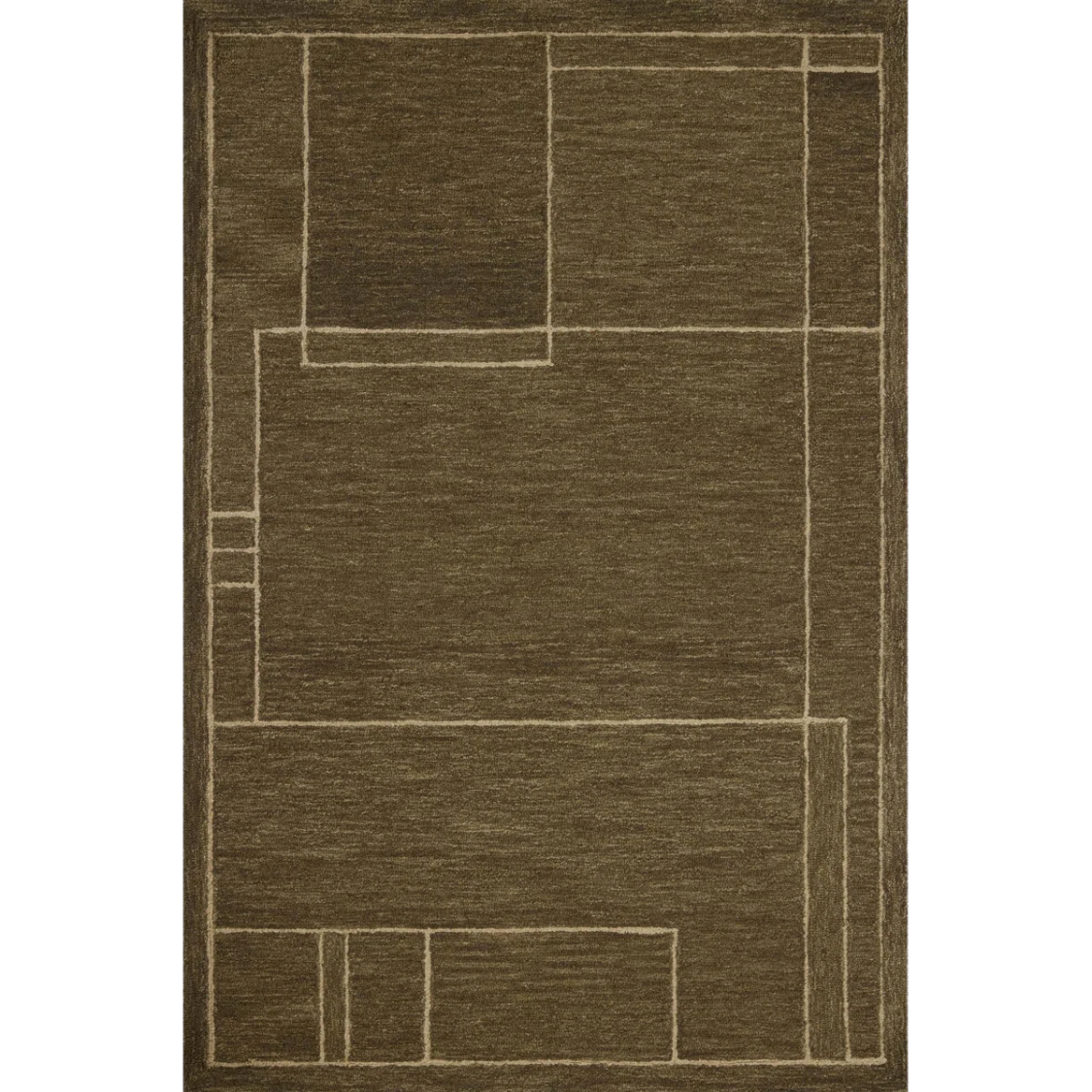
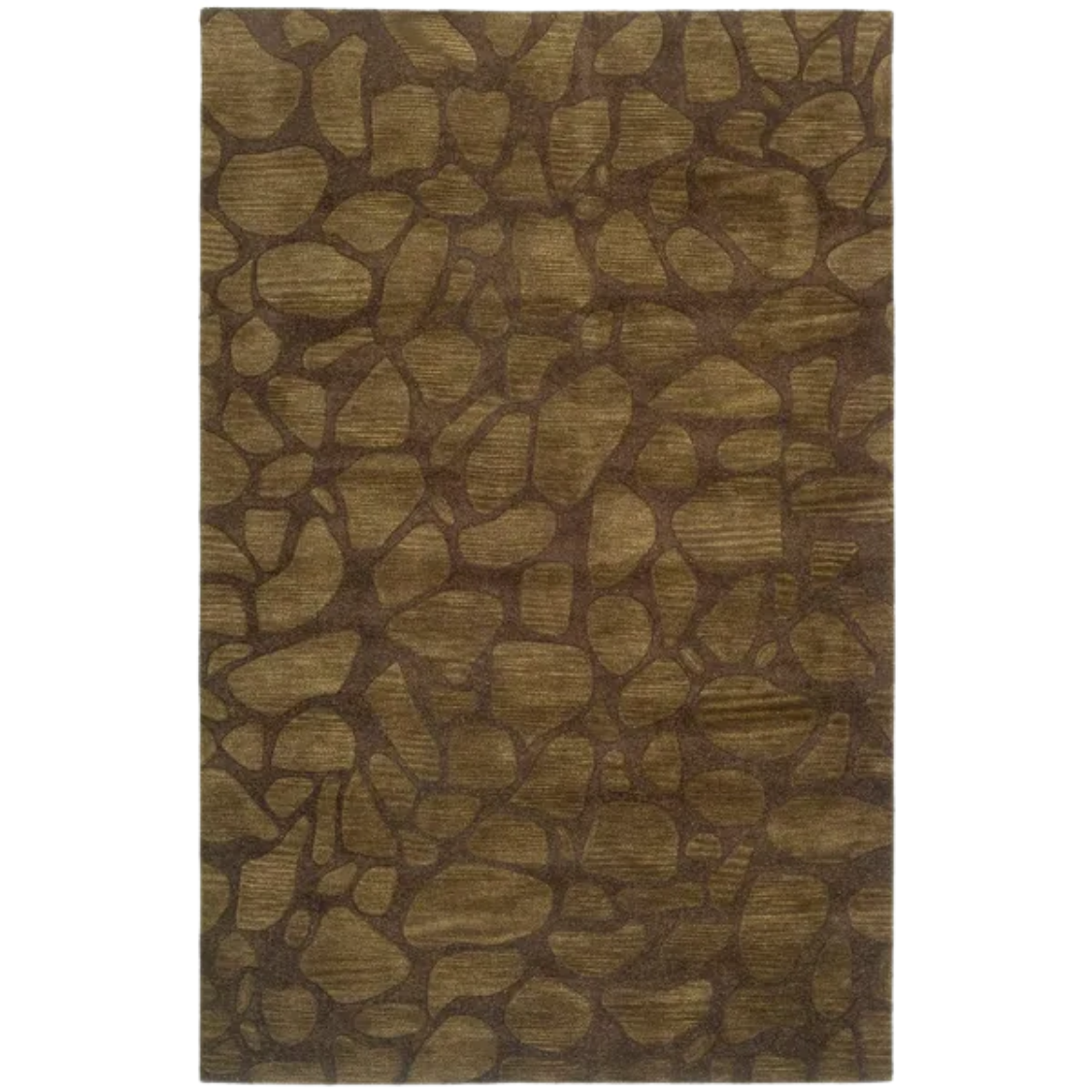

*Some links are affiliate
